Polski

What is an operating system? Everything you need to know
- 10 Oct, 2024
- Lista blogów
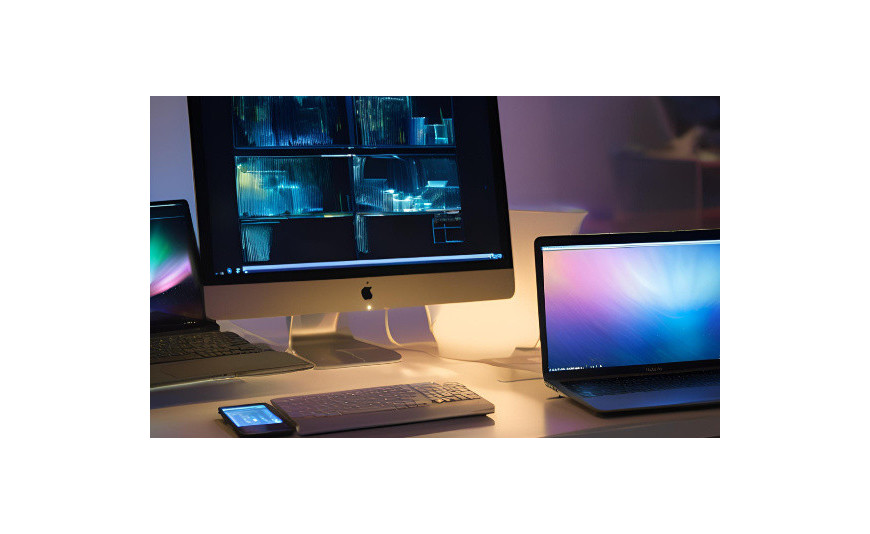
You turn on the computer, log in and... voilà! Desktop, icons, start menu – these are all elements of the operating system. Without it, your hardware would be useless. But what exactly is this hardware? What functions does it serve? It's time to explain!
Co to jest system operacyjny?
System operacyjny to oprogramowanie, które zarządza sprzętem i zasobami komputera. translated text:"It is a kind of 'brain' of the device, without which it could not operate. Imagine that a computer is a factory. In that case, the OS (Operating System) would be its director, who coordinates work, assigns tasks, and ensures everything runs smoothly."
translated text:"You cannot use a computer without an installed system. It is responsible for" translated text:"running programs, controlling peripheral devices (e.g., printer or mouse), and managing files"The OS is an interface between the user and the hardware. Thanks to it, even a user without IT knowledge can efficiently manage complex processes on the computer.
Jakie są podstawowe zadania systemu operacyjnego?
OS ma wiele ważnych zadań:
- manages the processor and decides which program currently has access to CPU computing power,
- allocates RAM to running applications and ensures they do not "clash",
- communicates with connected hardware, such as the keyboard, disk, or graphics card,
- allows saving, reading, and organizing data on the disk,
- also provides a graphical or character-based environment for communication with the user.
If the operating system were a factory manager, these tasks would correspond to managing employees, machines, inventory, and customer contacts. Without efficient system software, using a computer would be very difficult, and for an ordinary user – practically impossible. To właśnie ono dba o to, by wszystkie elementy komputera współpracowały ze sobą bez zarzutu.
Budowa systemu operacyjnego
translated text:"Operating system structure" może się wydawać skomplikowana, ale da się ją uprościć do trzech głównych elementów.
- Jądro – the heart of the system, which communicates directly with the hardware. It is responsible, among other things, for executing programs and allocating processor time.
- Shell – an easy-to-use interface. It can be graphical (GUI) or character-based (CLI). It is the shell that you interact with daily.
- translated text:"File system" translated text:"– a method of organizing data on storage media. It enables saving, reading, and arranging files."
translated text:"The entire structure works together so you can conveniently use your device. The kernel, shell, and file system form a coherent whole that manages computer resources and makes them accessible to the user in an understandable way."
Types of operating systems
Na rynku można znaleźć całkiem sporo systemów operacyjnych. Nikomu nie trzeba przedstawiać Windowsa – the flagship Microsoft product, used on most personal computers. Najnowsza wersja to Windows 11, która wprowadza odświeżony interfejs i wiele usprawnień.
Na urządzeniach Apple króluje macOS – software designed for Mac computers. Ten system słynie z intuicyjności, estetycznego interfejsu i doskonałej integracji z innymi urządzeniami Apple.
Choć Windows absolutnie dominuje rynek PC, ma kilka alternatyw. Jedną z nich jest Linux – an open-source system that has many distributions such as Ubuntu or Fedora. It is not very popular among classic users, but it is appreciated by many programmers and people more familiar with the IT industry. For this reason, Linux is steadily gaining importance, especially in server and embedded applications.
Among mobile systems, the leaders are Android by Google and iOS by Apple. The first is used on smartphones and tablets from various manufacturers, providing a wide selection of devices across different price ranges.
The second is available exclusively on iPhones and iPads – renowned for excellent security. Both systems offer an intuitive touch interface and plenty of useful features.
How have operating systems evolved?
Oprogramowanie systemowe przeszło długą drogę od swoich skromnych początków. Pierwsze systemy, jak DOS czy Unix, had a purely text-based interface – using such a UI required a lot of knowledge from the user. Over time, graphical environments appeared – Windows and macOS – which greatly facilitated computer operation. Today, systems offer intuitive interfaces, touch control, voice control, and a whole host of solutions that computing pioneers could only dream of.
With the development of the internet and mobility, operating systems have had to adapt to new challenges. Today, no system could do without integracji z chmurą czy synchronizacji danych między urządzeniami. Coraz więcej mówi się też o artificial intelligence and machine learning, which improve user interaction and enhance many tasks.
What will operating systems look like in ten or twenty years? Will interfaces become even more natural, perhaps based on gestures or thoughts? Will the boundary between the local device and the cloud completely blur? One thing is certain – they will continue to evolve to meet users' expectations.
Operating system – Your digital assistant
Oprogramowanie systemowe dba o to, by wszystko w komputerze działało, jak należy. To dzięki niemu możesz wygodnie uruchamiać aplikacje, przeglądać internet, odtwarzać multimedia czy tworzyć dokumenty. OS jest dla Ciebie swego rodzaju asystentem, który ciężko pracuje, byś mógł skupić się na swoich zadaniach.
Warto docenić rolę, jaką oprogramowanie systemowe odgrywa w naszym codziennym życiu. Bez niego korzystanie z technologii byłoby dużo trudniejsze i mniej przyjemne.
FAQ
- Is it possible to use a computer without an operating system?
No, a computer without an operating system is not suitable for normal use. It needs software that manages its operation and provides the user with an interface. Without an operating system, a computer is just a collection of components that cannot work together.
- Which operating system to choose?
Jeśli zależy Ci na kompatybilności i dostępności oprogramowania, postaw na Windowsa. Cenisz design i masz inne urządzenia Apple? Wybierz macOS. A jeżeli jesteś zaawansowanym użytkownikiem i lubisz mieć pełną kontrolę nad systemem, spróbuj Linuxa. Warto też wziąć pod uwagę, jakie oprogramowanie będzie Ci potrzebne i czy jest ono dostępne na dany system.
- Czy system operacyjny można zmienić?
Yes, the system can always be changed, provided the hardware meets the requirements of the new software. However, this involves disk formatting and data loss, so it's worth making a backup beforehand. Also, remember that changing the system may require getting used to a new interface and features.
- Jak dbać o system operacyjny?
Przede wszystkim regularnie go aktualizuj, by mieć dostęp do najnowszych poprawek i funkcji. Warto też co jakiś czas robić porządki na dysku, odinstalowywać nieużywane programy i skanować system pod kątem wirusów. Pamiętaj też o robieniu kopii zapasowych ważnych danych, na wypadek awarii systemu czy dysku. Takie profilaktyczne czynności mogą oszczędzić wielu problemów w przyszłości.